
When a heating oil tank has leaked on a New Jersey property, A1 Tank Guys cleans up the impacted soil for a flat price and carries the job through to the close-out paperwork, so there are no surprise line items at the end.
Get your FREE
Quote Today
By pressing 'Get a FREE Quote' you are agreeing to our terms and conditions and privacy policy, and consenting to receive text messages from A1 Tank Guys. To unsubscribe, reply STOP.
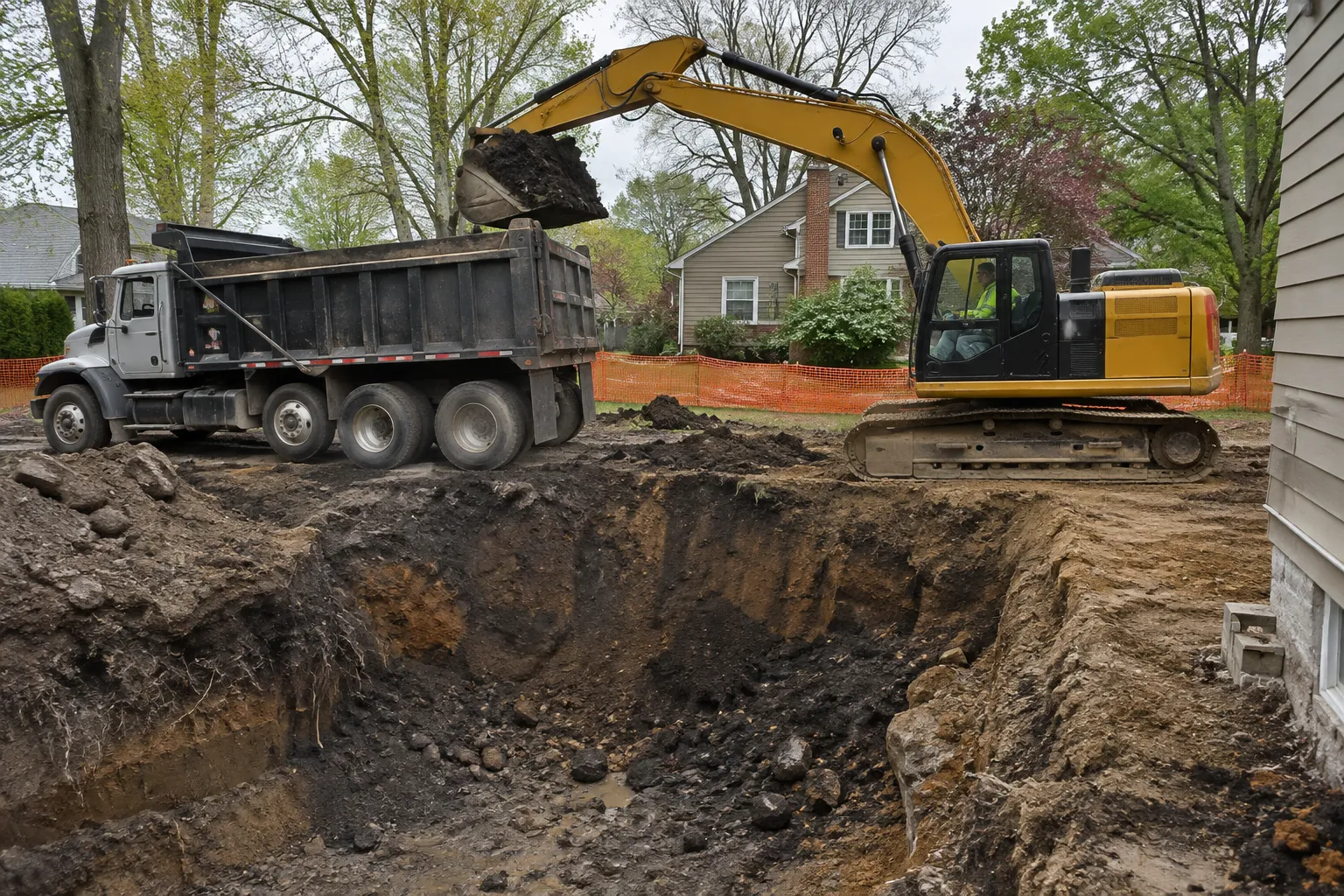
A defined scope, a fixed price and a clear finish line: the NJDEP No Further Action letter.
Tell us what is going on and we will walk through every option, including whether a fixed-price or open-ended contract makes more sense for your property.
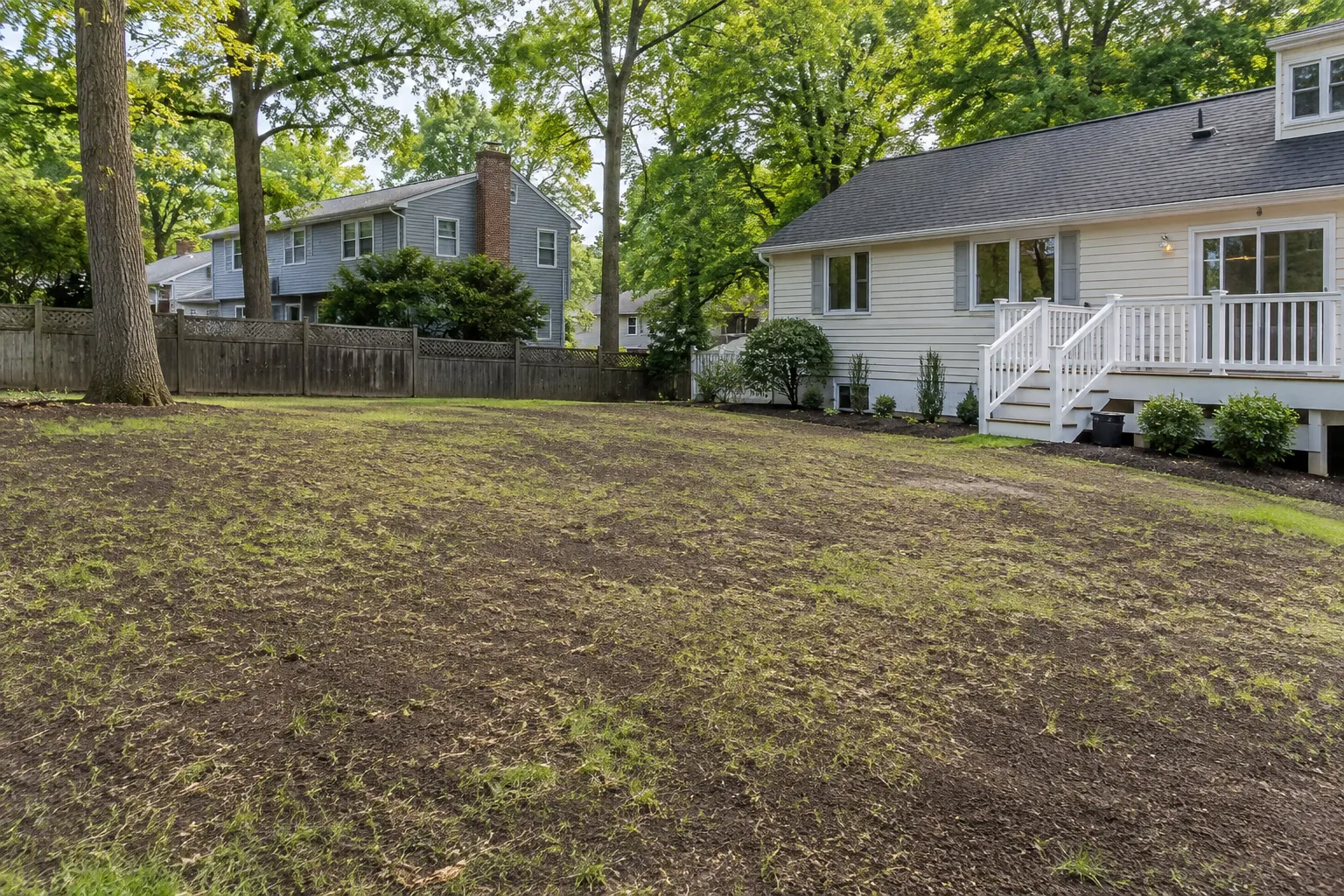
For a fixed-price cleanup we first run a Geo-Probe soil investigation to size the job. Contaminated soil above NJDEP cleanup standards is then excavated and replaced with certified clean fill. Most projects are scheduled within five business days of a signed contract and deposit.
We write and submit your NJDEP report. Once it is reviewed, the NJDEP issues a No Further Action letter: your clean bill of health, and the document you need to close if you are selling.
Related services: Oil Tank Removal and Soil Testing Around Oil Tanks. See all A1 Tank Guys services or call (973) 922-9002 for a free quote.
A failed inspection followed by a large, open-ended remediation proposal is a common story. Before you sign anything, get a second opinion. Soil remediation is not the only way to close an open NJDEP case.
We investigate the contamination first, then quote one fixed price for the cleanup, including the NJDEP No Further Action letter. No ballooning invoice at the end.
Financing spreads the cost over time and we accept all major credit cards. If you are under contract to sell, you can pay at closing, with the cleanup and NFA letter completed before you close.
Call us with your case number and the proposal you were given, and we will tell you honestly whether the work is needed.
What happens when a tank has leaked, and how the cleanup is priced and closed out.
Not necessarily. Once the NJDEP assigns a case number, there are two ways to close it. One is sampling the excavation under a certified subsurface evaluator: if all samples come back below the NJDEP cleanup criteria, the evaluator writes a final report and requests the No Further Action letter. The other is soil remediation: removing the soil above the standards, sampling the open excavation, backfilling with certified clean fill and submitting the final report. We explain both before recommending any excavation.
The price depends on how much soil is contaminated and where it is. Contamination that has reached under the house costs significantly more because it can require structural underpinning. Many companies quote a range they cannot stick to because they have not measured the contamination. We investigate first, then quote one fixed price for the defined cleanup, so you are not paying by the ton with no ceiling.
Under NJDEP rules, if contamination is found within two feet of groundwater or bedrock, a groundwater investigation is required. We use temporary monitoring wells to sample it efficiently; ideally the soil cleanup removes the source and the groundwater comes back clean. Where bedrock is encountered, the NJDEP requires drilling through it to reach groundwater, which adds time and cost. We offer flat-rate pricing on select groundwater projects and will tell you plainly what it means before any work is agreed.
Yes. We remediate residential tank sites throughout Essex, Passaic, Morris, Bergen, Union, Hudson, Middlesex and Somerset counties.
We offer financing so you can spread payments over time, and we accept all major credit cards. If you are under contract to sell, you can pay at closing; attorneys for both parties need to be involved. After the soil investigation we give everyone a fixed price, then complete the cleanup and obtain the NJDEP No Further Action letter before the closing.
Site work can take as little as one day, followed by about three to four weeks to prepare the NJDEP report and receive the No Further Action letter. If groundwater has to be investigated, add several weeks to a few months; NJDEP rules require a thirty-day wait between sampling rounds if the first groundwater samples exceed the standards. Selling on a deadline? Ask about expedited options and payment from escrow after the sale.